

Psychological support and mindfulness.
A process that starts with a conversation and moves at your pace. These are the kinds of support I offer. If your situation isn’t listed here, get in touch anyway.
How it starts
It usually starts with a call.
Before the first session, there is usually an initial call. In that conversation I explain how I work, the type and length of the sessions, and I listen to what brings you to me. It helps us decide together whether my support is the right fit.
After that, how often we meet (weekly, fortnightly or monthly) and how long the process lasts are decided together and reviewed along the way. You can stop whenever you want.

Kinds of support
What I can offer.
All forms of support are offered in Portuguese or French, in Wiltz, in Diekirch or online, and usually begin with an initial call.
A safe, ongoing space to understand what you feel, notice what keeps repeating and build, at your own pace, the change you want. No rush and no ready-made answers: the process adapts to you, to your stage of life and to your age.
Individual psychological support

Children
Through play, drawing and conversation suited to their age, I help children recognise and express what they feel. I help with emotional and behavioural difficulties, fears, anxiety, adjusting to change (school, separation, the birth of a sibling, grief) and self-esteem issues. I work closely with parents, who are an essential part of the process, and, whenever needed, with other professionals and organisations.
Teenagers
Adolescence is a time of many questions and big changes. I offer a space just for the young person, where they can talk openly, without being judged, about anxiety, low mood, school pressure, relationships with peers and family, identity and self-esteem, and find tools to feel more confident in themselves.
Adults
For anyone who feels the need to stop, look inwards and do things differently. I support people through life transitions, anxiety, lasting sadness and depression, relationship difficulties, personal and professional demands, emotional exhaustion and moments of loss or decision.
Mindfulness
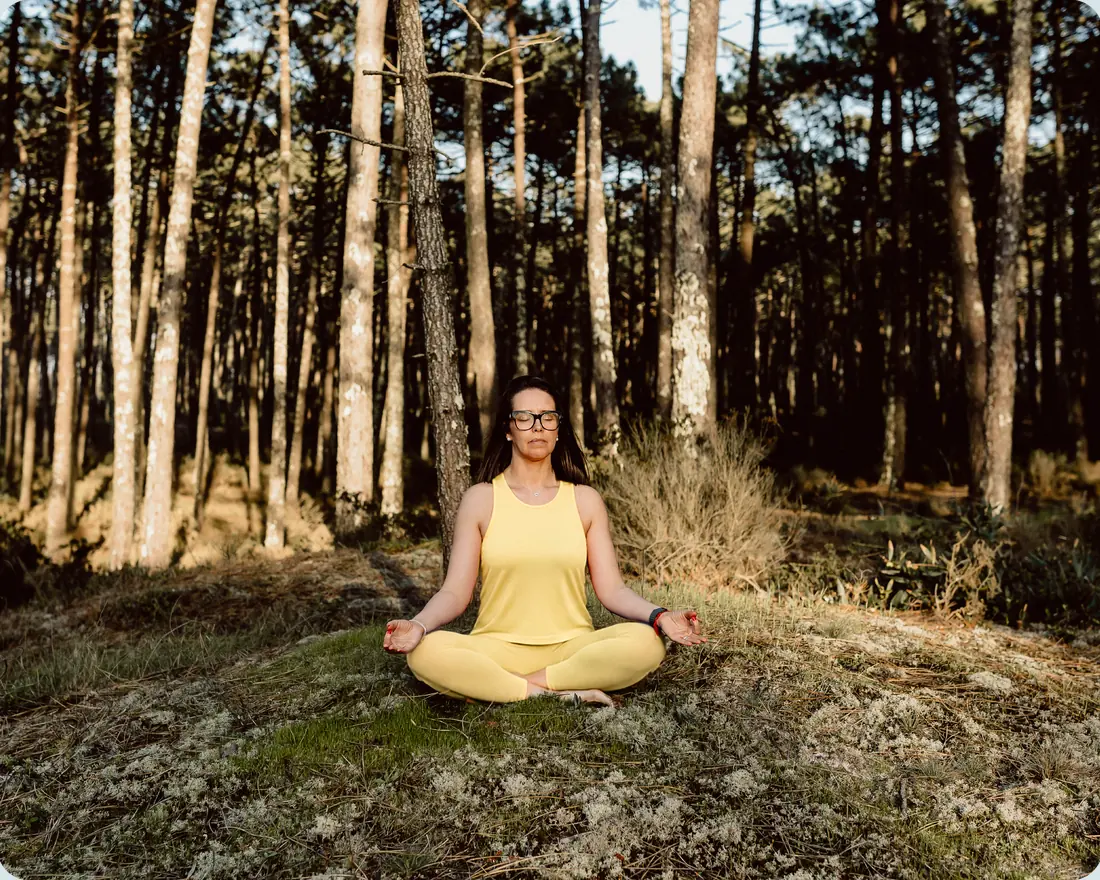
Mindfulness practices based on the MBSR programme and inspired by MBCT, which can accompany the therapeutic process or be explored in dedicated sessions. They help create space between what we feel and what we do with it, and make it easier to deal with stress and with thoughts that keep coming back.
I am trained in mindfulness and in the MBSR programme.
- Who it’s for
- Anyone facing stress, tiredness, rumination or trouble switching off, or who wants to be more present day to day.
- What we work on
- Attention to breath, body and the present moment
- A kinder relationship with difficult thoughts and emotions
- Simple tools to use in everyday life
- Format
- Within your sessions or in dedicated ones, tailored to each person.
Parenting and family guidance
For those raising children. A space to talk through concerns, communicate better and understand the dynamics that settle in without us noticing.
In the first call, we agree on who should come to the first session, depending on age and situation.

- Behaviour
- Tantrums, boundaries, routines and daily difficulties with children and teenagers.
- Family changes
- Separation, a new sibling, moving house or school, grief.
- Communication
- How to talk and listen better, at every age.
Stress and burnout
Support through long periods of stress, at work or in your personal life, when rest no longer makes the tiredness go away. A space to stop, understand what is weighing on you and gradually regain your balance and energy.

- Signs
- Exhaustion that won’t go away, irritability, trouble switching off, low motivation, poor sleep, a sense of always pushing yourself or having nothing left to give.
- What we work on
- Understanding the sources of stress and what sustains it
- Setting more realistic boundaries and priorities
- Tools for emotional regulation and rest, including mindfulness
- Rebuilding a healthier relationship with work and everyday demands
- Who it’s for
- Overworked professionals, carers, exhausted parents, or anyone who feels they have reached their limit.
- Burnout
- It is a work-related syndrome and needs careful assessment. When necessary, I coordinate support with your GP or with other health professionals.
Couples
For couples who want to communicate better, get through a difficult time or decide with more clarity. A neutral space where each person can be heard and where we work together, without looking for someone to blame.

- Communication
- Recurring conflicts, lack of dialogue, distance and misunderstandings.
- Difficult times
- A relationship crisis, loss of trust, the wear and tear of routine, the arrival of a child, life changes.
- Decisions
- Continue, change or end the relationship, with more clarity and respect for both.
In the first session, I listen to both of you and we set the goals of our work together.
Career guidance, coaching and training
Career guidance
For young people and adults choosing a course, thinking of changing fields or working out what makes sense for them. We explore interests, skills, values and motivations, so you can decide with more clarity and confidence.
Psychological coaching
Support focused on concrete goals, personal or professional, with the foundations and rigour of psychology. I help you define what you want to achieve, see what is holding you back and build realistic steps to get there. Unlike psychotherapy, it is oriented towards goals, the present and the future, not towards treating clinical difficulties.
Training sessions
Sessions and workshops on mental health and well-being, such as stress management, communication, parenting or mindfulness, for teams, schools, companies and associations. Tailored to each audience and its goals.
What psychology is, and isn’t
A few myths about seeing a psychologist.
Psychology is for everyone, at any time, in any situation and at any age.
Angélica Morais
“Only people with serious problems see a psychologist.”
No. Many people seek support to get to know themselves better, to go through a change or to find a different way of dealing with something that keeps repeating. The sooner you ask for help, the easier it will be to deal with the problem.
“Talking to friends is the same thing.”
Friends matter, but they aren’t neutral and they aren’t trained to help you understand what is going on. A session gives you a dedicated, confidential and structured space.
“Asking for help means I’m weak.”
Asking for help is an act of courage and self-awareness. Seeking support is a way of taking care of yourself.
“A psychologist tells you what to do.”
That isn’t my role. Support helps you understand yourself better and find your own answers, in line with your values.
“It’s for life.”
How long the process lasts depends on each situation and is decided together. You can stop whenever you want, ideally once your goals have been reached.
“I’ll have to talk about my whole past.”
We talk about what is useful and what you want to share, at your pace. The work often focuses on the present.
“Online isn’t the same.”
An online session works in the same way as one in person. Research shows results similar to those of in-person sessions, and this format follows specific guidelines from the Ordem dos Psicólogos Portugueses (OPP, the Portuguese Order of Psychologists) (opens in a new window) and the American Psychological Association (APA) (opens in a new window). For some people, it’s the only way they can get support.

Booking
It all begins
with a conversation.
You don’t need to find the words for what you feel before booking. Choose a practice and a time, or let’s talk first.
Booking opens in the online calendar. Would you rather talk first? Send a message on WhatsApp (opens in a new window), call +352 691 739 511 or write to contact@ineedapsi.lu.